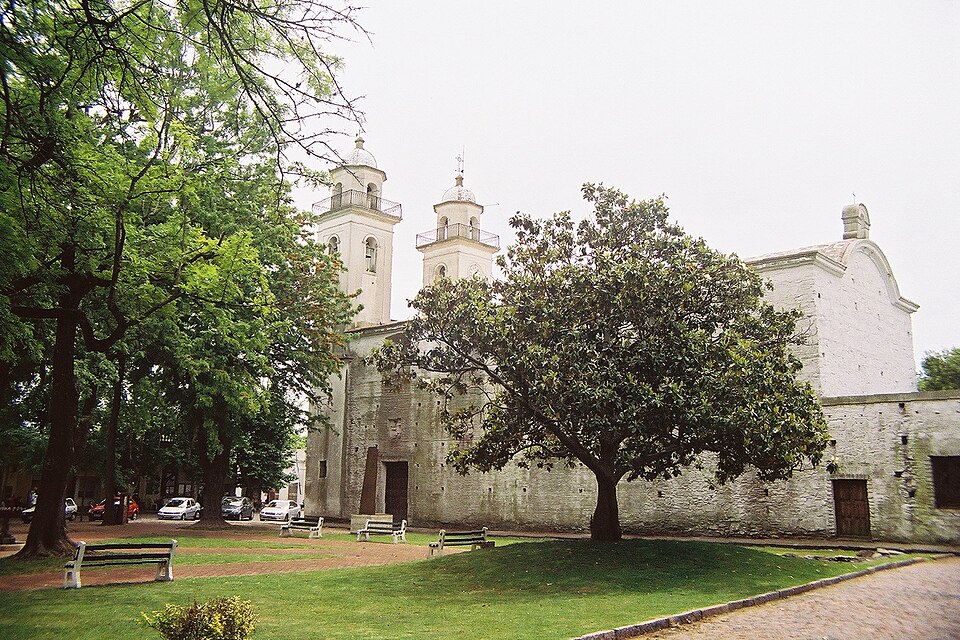
Photo: Colonia del Sacramento · JGHowes, photographer (Canon AE-1 camera). · Attribution
First-Timer Guide 🇺🇾Uruguay: What to Know Before You Go
Destination Intel / Uruguay
A typical first trip here runs about $1,050 to $1,400 per person for 7 days at a mid-range style, before flights. This is a rough estimate from PINYA regional pricing, not hand-reviewed yet, and not a live price. Real cost moves with your dates and exchange rates. Get a tailored number in the Budget Calculator, or have The Crown price your exact trip.
Culture, Food and Etiquette
- Asado: Uruguay's asado culture rivals Argentina's, beef (especially from grass-fed Hereford and Angus cattle on the pampas), lamb, and chorizo slow-cooked on a parrilla (grill) over wood embers; asado is not just a meal but a social ceremony lasting hours
- Chivito: Uruguay's national sandwich, a massive construction of thin beef steak, ham, bacon, fried egg, mozzarella, olives, tomato, lettuce, and mayonnaise; invented in Punta del Este in 1946 and now found at every Uruguayan café
- Torta Frita: Fried dough rounds, simple, crispy, and eaten on rainy days as a beloved national comfort food; Uruguayans say torta frita must be eaten outdoors when it rains
- Mate: Uruguayans consume more yerba mate per capita than any other country, carried everywhere in a thermos with a guampa; the ritual of sharing mate is a gesture of deep friendship and daily social life
- Medio y Medio: Uruguay's beloved mixed drink, half white wine (cava-style) and half sparkling wine; created in a Montevideo bar in 1886 and still ordered in the same establishment (Bar Roldós) today
- Carnaval de Montevideo (Jan–Feb): The world's longest carnival, 40+ days of murga (satirical singing-theater), candombe drumming parades, and tablados (outdoor stages) in every neighborhood; murga is a uniquely Uruguayan art form of political satire performed in full costume
- Llamadas (Feb): The spectacular candombe drum parade, comparsas of Afro-Uruguayan drummers and dancers parade through the Sur and Palermo neighborhoods of Montevideo in the world's largest candombe gathering
- Semana Criolla (Easter Week): Parque Rural del Prado in Montevideo, gaucho traditions including jineteada (bronco riding), horse skills demonstrations, and folk music; celebrating Uruguay's rural cowboy heritage
- Punta del Este Season (Dec–Mar): South America's most glamorous beach resort hosts international art installations, the Casapueblo New Year countdown, polo tournaments, and fashion events during the Southern Hemisphere summer
- Día de los Muertos Uruguayo / Día de las Américas (Nov 2): Uruguay officially observes this as "Day of the Deceased" with cemetery visits and family remembrance traditions influenced by both European and Afro-Uruguayan customs
Spanish (Rioplatense Spanish) is the official language, sharing the distinctive vos pronoun and sh/zh pronunciation of ll and y with Argentine Spanish. Key phrases: ¿Qué sopa? (What's up?, Uruguayan slang), Bárbaro (Great/Fantastic), Che (Hey/Mate, shared with Argentina). Major destinations: Montevideo (capital, Ciudad Vieja historic district, Mercado del Puerto, Rambla waterfront promenade), Punta del Este (international luxury beach resort, 130km east of Montevideo), Colonia del Sacramento (UNESCO World Heritage colonial Portuguese-Spanish town across the river from Buenos Aires), and Cabo Polonio (remote Atlantic coastal village with sea lions and no electricity grid). Uruguay was the first country in the world to legalize recreational cannabis (2013) and same-sex marriage (2013) in Latin America.
- Mate is deeply personal, if someone shares their mate gourd with you, it is a gesture of trust and friendship; accept graciously and return the gourd when finished
- Uruguayans are understated and modest, they don't typically boast about their country but are quietly proud; genuine curiosity about Uruguay (not just its beaches) is warmly appreciated
- Dinner starts late, restaurants fill between 9 PM and midnight; showing up at 7 PM will often find you alone in an empty restaurant
- Uruguay is one of Latin America's most secular and progressive societies, religion plays a smaller role in daily life than in neighboring countries; political discussions are welcome and debate is respected
Best Time to Visit
Uruguay has a temperate climate with seasons reversed; summer is the beach season along the coast, while spring and autumn are mild.
- Peak: December to February
- Shoulder: October to November, March
- Off season: June to August
Source: inumet.gub.uy
Getting Around
- Buses link the cities and the coastal resorts.
- Montevideo is walkable and has a bus network.
- A car helps for reaching the smaller beach towns and the interior.
Source: travel.state.gov
What moves the cost: The summer beach season, especially around Punta del Este, is the priciest, while the off-season costs less.
Common Questions
Do US citizens need a visa to visit Uruguay?+
Source: travel.state.gov
Is Uruguay safe for first-time travelers?+
Source: travel.state.gov
Latest for Uruguay
Updates for Uruguay will appear here as they are published. Every update cites official sources, so you can plan on it.