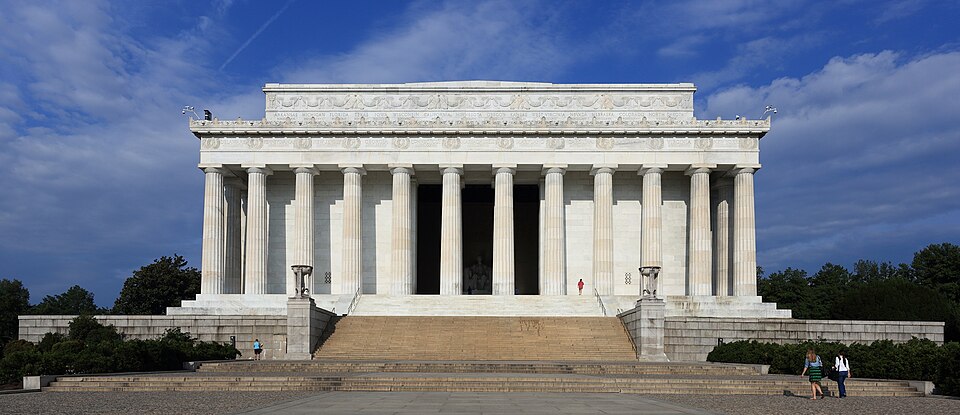
Photo: Lincoln Memorial · Martin Falbisoner · CC BY-SA 3.0
🏛️Washington DC: What to Know Before You Go
Destination Intel / United States / Washington DC
Culture, Food and Etiquette
- Chesapeake crabs, Maryland blue crabs ubiquitous in DC
- Ethiopian cuisine, largest concentration outside of Africa
- Mumbo wrap, DC-specific foodie creation
- Upscale international cuisine, diverse diplomat communities
- Smithsonian Museums, world-class museums, most free admission
- Capitol Building and White House tours, seat of government
- Cherry Blossom Festival, spring celebration of Japanese cherry trees
- monuments to US Presidents and memorials throughout city
Mid-Atlantic accent; diverse immigrant languages; diplomatic and formal communication style.
- Museum etiquette, quiet, respectful, no photos in some exhibitions
- Tipping 18-20% is expected in Washington DC restaurants
- Government buildings have strict security. Allow extra time
- Political discussions are common but can be sensitive
Best Time to Visit
Washington DC is humid subtropical; spring and fall are mild and are the best times to visit, summers are hot and humid, and winters are cool with the occasional snow.
- Peak: late March to May, September to October
- Shoulder: early March, November
- Off season: July to August, the hot humid months
Source: ncei.noaa.gov
Getting Around
- T
- h
- e
What moves the cost: Most major sights are walkable or a short Metro ride apart.
Common Questions
When is the best time to visit Washington DC?+
A car is not needed for a city visit.
Source: ncei.noaa.gov
The spring cherry-blossom season costs the most, while the humid peak of summer and deep winter are cheaper.+
Spring and fall are the most comfortable, and the spring cherry blossoms are the signature draw.