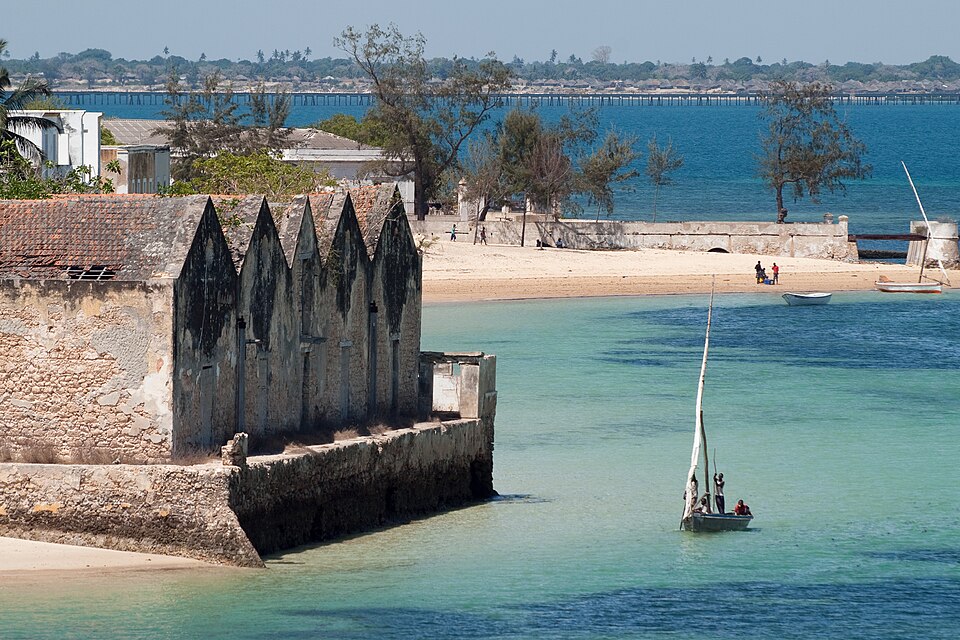
Photo: Island of Mozambique · Stig Nygaard from Copenhagen, Denmark · CC BY 2.0
First-Timer Guide 🇲🇿Mozambique: What to Know Before You Go
Destination Intel / Mozambique
A typical first trip here runs about $675 to $900 per person for 7 days at a mid-range style, before flights. This is a rough estimate from PINYA regional pricing, not hand-reviewed yet, and not a live price. Real cost moves with your dates and exchange rates. Get a tailored number in the Budget Calculator, or have The Crown price your exact trip.
Culture, Food and Etiquette
- Piri-piri prawns (camarão), giant Indian Ocean prawns grilled over charcoal and basted with homemade piri-piri butter; Mozambique's most iconic dish and a significant culinary export to Portugal
- Matapa, cassava leaves slow-cooked with garlic, coconut milk, and ground peanuts with crab or prawns; a coastal specialty of the south
- Xima, thick white maize porridge eaten with fish, greens, or meat stews; the daily staple across all regions
- Zambeziana chicken, chicken marinated in coconut milk, lime, and piri-piri; a Zambezi Valley dish with strong Swahili coastal influences
- Tipo Tinto rum, the local Mozambican rum distilled in Beira; a proudly local spirit drunk neat or mixed with coconut water on the beach
- Maputo International Music Festival, annual festival showcasing marrabenta (Mozambique's national music genre) alongside jazz, reggae, and Afrobeats
- Independence Day (June 25), marks independence from Portugal in 1975 with parades, cultural performances, and national celebration
- Chopi Timbila Orchestra performances, UNESCO-listed musical tradition of the Chopi people featuring large orchestras of timbila xylophones performing elaborate compositions
- Makonde wood carving festivals, the Makonde people of Cabo Delgado are Africa's most celebrated wood carvers; cultural fairs celebrate this heritage
- Carnival of Maputo, February street carnival with music, dance, and community parade groups (blocos) performing in the capital
Portuguese is the official language; Emakhuwa is the most widely spoken Bantu language (northern Mozambique), followed by Xichangana (south) and Cisena (central). Swahili is spoken in the north along the coast and near Tanzania. Key Portuguese phrases: "Olá" (hello), "Obrigado/a" (thank you), "Como vai?" (how are you?). Key Xichangana: "Avuxeni" (hello). Mozambicans are warm and unhurried; the coastal culture is laid-back and the Indian Ocean influences produce a distinctive relaxed atmosphere that visitors note immediately.
- The Island of Mozambique (Ilha de Moçambique, a UNESCO World Heritage Site) is a living community, visit respectfully and always ask permission before entering homes or photographing residents
- Avoid northern Cabo Delgado province, which has experienced serious security incidents since 2017, check current travel advisories carefully
- Dress modestly when visiting local communities and markets; beach wear is appropriate only at beach resorts and is not acceptable inland
- Tipping at restaurants and for boat trips, dive guides, and lodge staff is appreciated and contributes significantly to local livelihoods
Best Time to Visit
Mozambique has a tropical coast; the dry season is the popular time to visit the beaches and reefs, while the wet season brings rain and a cyclone risk.
- Peak: May to October
- Shoulder: April, November
- Off season: December to March, the wet and cyclone season
Source: inam.gov.mz
Getting Around
- Domestic flights link the cities and coastal hubs.
- Buses serve the roads, and a car helps for the coast.
- Boats reach the islands and the reef archipelagos.
Source: travel.state.gov
What moves the cost: Island lodges and the dry-season peak drive the largest costs, while the wet season is cheaper.
Common Questions
Do US citizens need a visa to visit Mozambique?+
Source: travel.state.gov
Is Mozambique safe for first-time travelers?+
Source: travel.state.gov
Latest for Mozambique
Updates for Mozambique will appear here as they are published. Every update cites official sources, so you can plan on it.