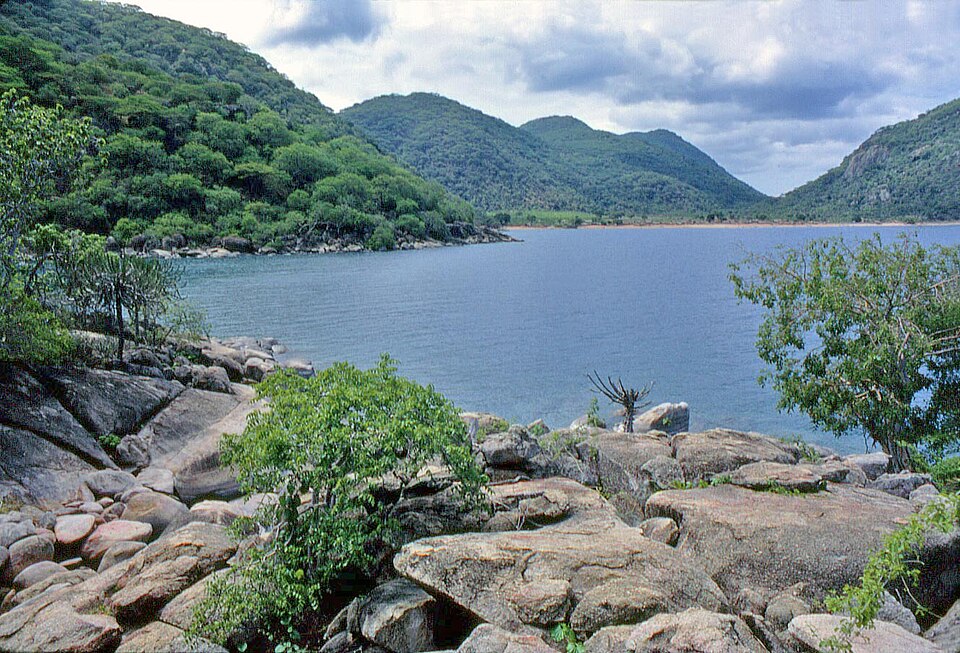
Photo: Lake Malawi · Public domain
First-Timer Guide 🇲🇼Malawi: What to Know Before You Go
Destination Intel / Malawi
Culture, Food and Etiquette
- Nsima, thick white maize porridge rolled into balls and eaten with the fingers; the absolute staple eaten three times daily by most Malawians
- Chambo, Malawi's beloved endemic cichlid fish from Lake Malawi, grilled whole over charcoal or fried; synonymous with national identity and lake-side dining
- Ndiwo, any relish dish (greens, beans, or meat) eaten alongside nsima; the variety of ndiwo reflects regional and seasonal ingredients
- Kondowole, cassava nsima with a denser, slightly different flavor; more common in the lakeshore and lower shire regions
- Thobwa, a sweet, slightly fermented drink made from white maize and sorghum; the traditional non-alcoholic beverage served at social gatherings
- Lake of Stars Festival, award-winning music festival held on the shores of Lake Malawi featuring African and international artists in one of the world's most spectacular outdoor settings
- Kulamba Ceremony, annual ceremony of the Chewa people where representatives from Malawi, Zambia, and Mozambique gather to honor the Paramount Chief Kalonga Gawa Undi
- Gule Wamkulu, secret society masked dance of the Chewa people (UNESCO Intangible Heritage); performed at funerals, initiations, and royal ceremonies across central Malawi
- Independence Day (July 6), celebrates independence from Britain in 1964; marked with parades and sporting events nationwide
- Mulhako wa Alhomwe Cultural Festival, celebration of Lhomwe people's heritage in the southern highlands with traditional dance, music, and food
Chichewa (also written Chewa) and English are both official languages. Chichewa is spoken by the majority and understood nearly everywhere. Key Chichewa phrases: "Moni" (hello), "Zikomo" (thank you, also serves as sorry and excuse me), "Muli bwanji?" (how are you?), "Ndili bwino" (I am fine). English is widely spoken in urban areas and tourist spots. Malawians are known as "the warm heart of Africa", a phrase that accurately describes the genuine friendliness travelers consistently encounter.
- Malawians are exceptionally warm and approachable but physical public affection between partners should be kept discreet outside of tourist resorts
- Same-sex activity remains criminalized under Malawian law, LGBTQ+ travelers should exercise significant caution
- Remove shoes before entering a home; in many villages, sitting on the ground with elders and sharing food from a common pot is a sign of trust and acceptance
- Lake Malawi National Park has a strict no-littering policy, the lake is one of the world's most biodiverse freshwater habitats and Malawians take environmental pride seriously
Best Time to Visit
Malawi is tropical and tempered by altitude; the dry season is the best time for safaris and Lake Malawi, while the wet season is green and quieter.
- Peak: May to October
- Shoulder: April, November
- Off season: December to March, the wet season
Source: metmalawi.gov.mw
Getting Around
- Buses and minibuses link the main towns.
- Boats serve Lake Malawi.
- A car helps for reaching the parks and the lakeshore.
Source: travel.state.gov
What moves the cost: Malawi is an affordable destination overall, and the dry safari season is the busiest.
Common Questions
Do US citizens need a visa to visit Malawi?+
Source: travel.state.gov
Is Malawi safe for first-time travelers?+
Source: travel.state.gov
Latest for Malawi
Updates for Malawi will appear here as they are published. Every update cites official sources, so you can plan on it.