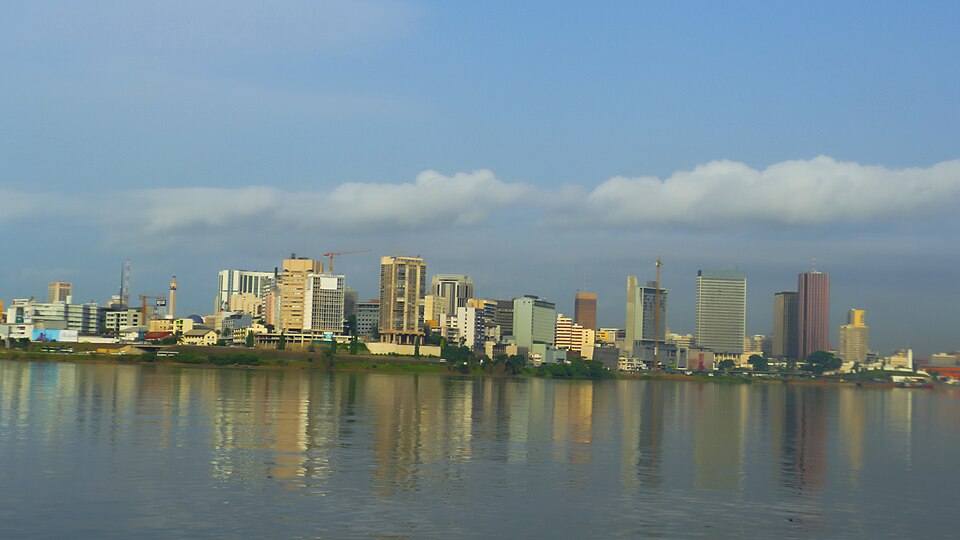
Photo: Abidjan · Aman ADO · CC BY-SA 4.0
First-Timer Guide 🇨🇮Ivory Coast: What to Know Before You Go
Destination Intel / Ivory Coast
A typical first trip here runs about $675 to $900 per person for 7 days at a mid-range style, before flights. This is a rough estimate from PINYA regional pricing, not hand-reviewed yet, and not a live price. Real cost moves with your dates and exchange rates. Get a tailored number in the Budget Calculator, or have The Crown price your exact trip.
Culture, Food and Etiquette
- Attiéké, fermented cassava couscous with a subtly sour flavor; served with grilled fish or chicken and raw onion salad; a national staple
- Foutou banane, pounded plantain and cassava dough eaten with palm nut soup or groundnut stew; a beloved Sunday meal
- Kedjenou, chicken or guinea fowl slow-cooked with vegetables and spices in a sealed clay pot with no added water; a Baoulé specialty
- Garba, roadside staple of fried tuna over attiéké; the definitive quick meal of Abidjan's working population
- Bangui palm wine, fresh or fermented palm sap tapped from oil palms; the traditional social drink of the forest regions
- Fête du Dipri, Abidji people's night festival near Abidjan where villagers enter trances to expel evil spirits; one of West Africa's most unusual spiritual ceremonies
- Festival des Masques de Man, annual festival in the western highlands featuring the famous Guere and Wobé masks representing forest spirits and used in conflict resolution
- Abissa Festival, N'Zima people's week-long annual celebration of renewal, confession, and joy held in Grand-Bassam; a UNESCO-recognized intangible heritage event
- Independence Day (August 7), celebrated with military parades in Yamoussoukro and cultural events nationwide
- Cocoa harvest season, the Ivory Coast is the world's largest cocoa producer and harvest festivals are celebrated in farming villages each October through March
French is the official language used in government, education, and media. Over 60 indigenous languages exist; Dioula is the main trade language spoken across the north and in markets nationwide.
Key Dioula phrases: "I ni ce" (good morning), "I ni wula" (good evening), "Aw ni baara" (thank you for the work). Nouchi is a vibrant Abidjan street slang spoken by urban youth and widely understood.
Ivorians are gregarious and social; markets and street conversation are animated and welcoming.
- Greet people warmly and at length, a brief greeting is considered cold; asking about family and health before any business is standard
- The left hand should not be used to eat, hand over items, or gesture toward elders, it is considered disrespectful in most Ivorian cultures
- Masks (particularly Senufo and Dan masks) are sacred objects, do not touch or photograph ceremonial masks without explicit permission
- Dress modestly when visiting mosques in the north or rural communities; Abidjan is fashion-forward but covering up elsewhere shows respect
Best Time to Visit
Ivory Coast is tropical; the drier season is the more comfortable time to visit, while the rainy season brings heavier showers, especially in the south.
- Peak: November to March
- Shoulder: April, October
- Off season: May to September, the rainy season
Source: sodexam.com
Getting Around
- Buses and shared taxis link the main cities.
- Domestic flights reach some regions.
- Ride-hailing apps operate in Abidjan.
Source: travel.state.gov
What moves the cost: Ivory Coast is a moderately priced destination, and Abidjan events and the dry season are the busiest.
Common Questions
Do US citizens need a visa to visit Ivory Coast?+
Source: travel.state.gov
Is Ivory Coast safe for first-time travelers?+
Source: travel.state.gov
Latest for Ivory Coast
Updates for Ivory Coast will appear here as they are published. Every update cites official sources, so you can plan on it.