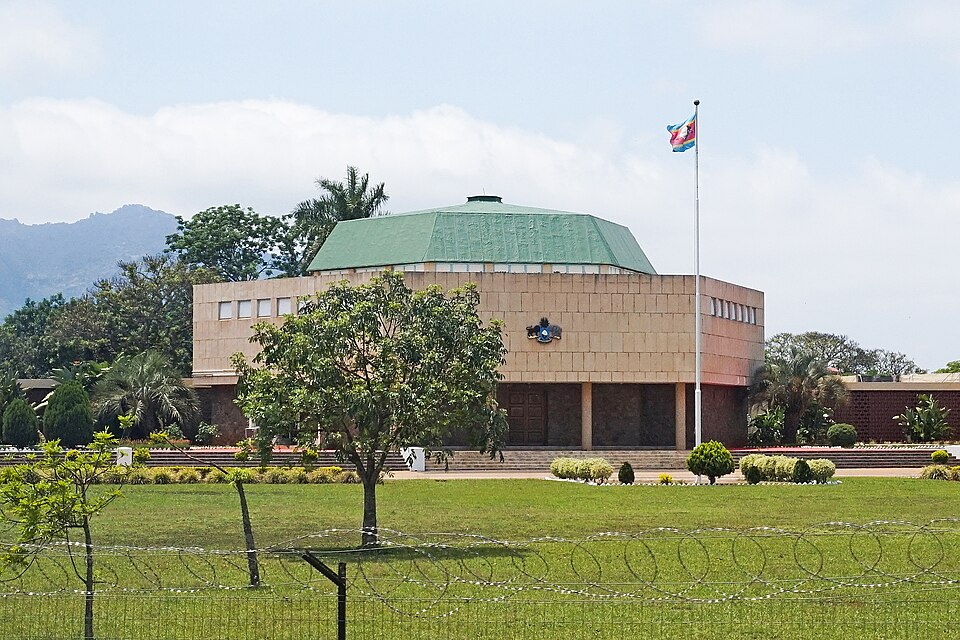
Photo: Parliament of Eswatini, Lobamba · Bernard Gagnon · CC BY-SA 4.0
First-Timer Guide 🇸🇿Eswatini: What to Know Before You Go
Destination Intel / Eswatini
A typical first trip here runs about $675 to $900 per person for 7 days at a mid-range style, before flights. This is a rough estimate from PINYA regional pricing, not hand-reviewed yet, and not a live price. Real cost moves with your dates and exchange rates. Get a tailored number in the Budget Calculator, or have The Crown price your exact trip.
Culture, Food and Etiquette
- Sitfumo, mashed pumpkin or butternut squash eaten as a side dish; simple, sweet, and deeply comforting; a household staple throughout the kingdom
- Emasi, a thick fermented milk product similar to yogurt; eaten with porridge or vegetables; a Swazi dairy tradition maintained across generations
- Impala or braai, game meat or domestic beef grilled over charcoal; the Southern African braai (barbecue) tradition is equally strong in Eswatini
- Sishwala, thick porridge made from cornmeal; the daily staple of most Swazi households; eaten with spinach, beans, or meat stew
- Umhlanga Reed Dance (August–September), thousands of unmarried Swazi women cut reeds and present them to the Queen Mother in an extraordinary annual ceremony
- Incwala (December–January), the most sacred Swazi ceremony; the "first fruits" ritual where the King ritually tastes the first crops; non-Swazis have limited access
- Bushfire International Music Festival (May), one of Africa's best music festivals held at the House on Fire venue; attracts major African and international artists
siSwati and English are the official languages, English is widely spoken and used in government, schools, and business. Key siSwati phrase: "Sawubona" means hello (to one person); "Sanibona" for a group.
Eswatini is Africa's last absolute monarchy, King Mswati III rules by decree. The country changed its name from Swaziland to Eswatini in 2018.
It is generally safe and welcoming for tourists with some of Southern Africa's most spectacular traditional ceremonies.
- The monarchy is sacred, do not criticize the King or royal family in public; this can have legal consequences
- During Umhlanga and Incwala, follow all rules set by the royal household regarding access, dress, and photography
- Traditional dress is worn with pride, if invited to a ceremony in traditional attire, accept with honor
- HIV/AIDS is a very significant public health issue, health campaigns are highly visible; awareness and respect for this reality are important
Best Time to Visit
Eswatini is subtropical and tempered by altitude; the drier winter is pleasant and good for wildlife, while the summer is warm and wet.
- Peak: May to September
- Shoulder: April, October
- Off season: November to March, the wet summer
Source: swazimet.gov.sz
Getting Around
- The country is small, and a car is the easiest way to get around.
- Minibuses link the main towns.
- The reserves are close together and quick to reach.
Source: travel.state.gov
What moves the cost: Eswatini is an affordable destination overall, and the dry season and festivals are the busiest.
Common Questions
Do US citizens need a visa to visit Eswatini?+
Source: travel.state.gov
Is Eswatini safe for first-time travelers?+
Source: travel.state.gov
Latest for Eswatini
Updates for Eswatini will appear here as they are published. Every update cites official sources, so you can plan on it.